
Todas las entradas de: AL
Gavilleando
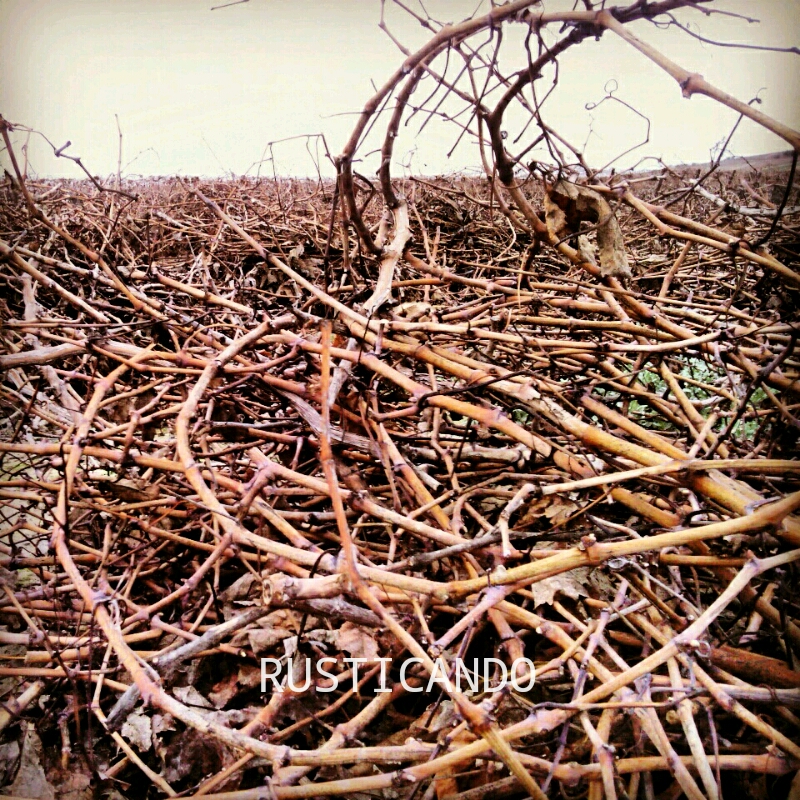
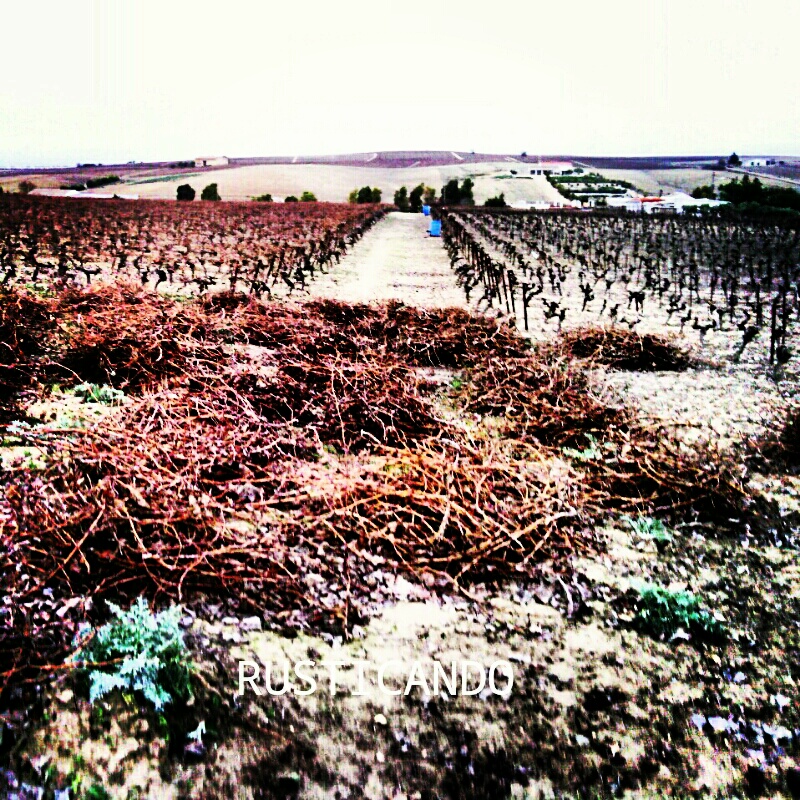
Curro quiere que esto se llame Gavillero. Y así se llama desde ahora.
Curro wants this to be called a Gavillero. And so it shall be called from now on.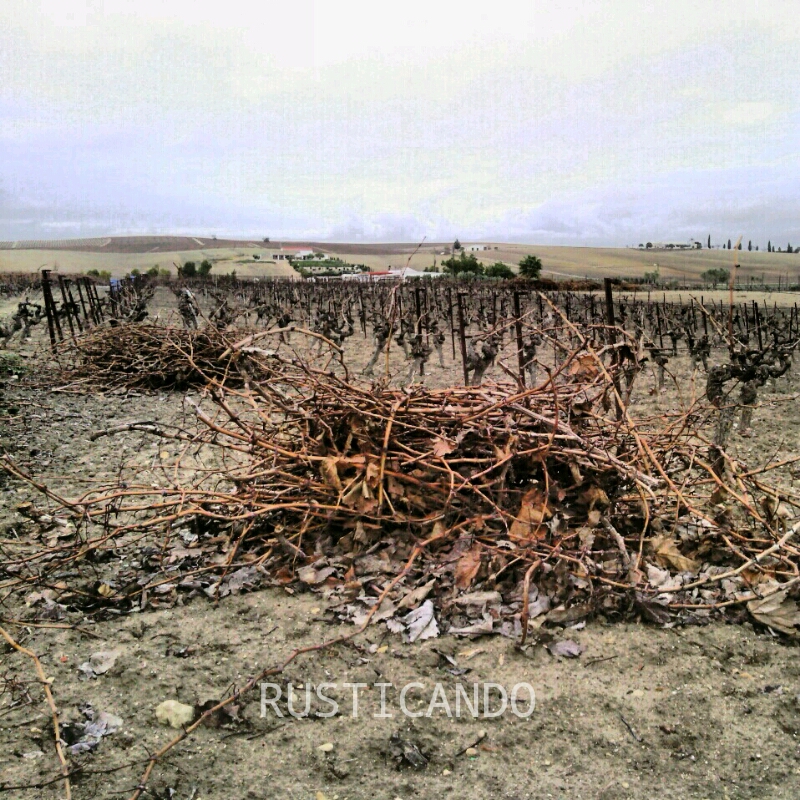 Curro recurre a Morales y nos cuenta que Sarmentar es recoger sarmiento después de la poda. La Gavilla es un haz de sarmiento. Engavillar es hacer gavillas. La gavilla debe atarse con el sarmiento más largo, llamado Caballo. El ha visto a muchos usar cordeles de plástico.
Curro turns to Morales and tells us that Sarmentar is to collect the vine shoots after the pruning. The Gavilla is a bundle of vine shoots. Engavillar is to make bundles of vine shoots. The bundle of vine shoots must be tied together with the longest vine shoot which called a Caballo. He has seen many others use plastic string instead.
Cepa descascareá
 Dice Curro que Descascareá es eliminar la cascara de la cepa, para prevenir riesgo de plaga y enfermedades provocadas por los insectos y microorganismos que habitan en ella.
Descascareá vine (without the husk). Curro says that to descascareá is to eliminate the husk of the vine, to avoid the risk of infestations and diseases caused by the insects and micro-organisms that live on it.

Otra cepa descascareá. De esta dice Curro que está poá sin tón ni són. Que está sufriendo la prisa del hombre. A estos trabajadores se les llama Rebanás. Pero a Curro le impresiona la fuerza de vida que tiene la cepa a pesar del dueño que le tocó.
Curro dice que Morales ha escrito que la Zorrostrá es el mal trato dado a una viña, por motivos diversos.
Another vine descascareá, (without the husk). Curro says this one is pruned without rhyme or reason. That it is suffering because of the impatience of the man. These laborers are called Rebanás. But Curro is impressed by the strength of life that the vine has in spite of its owner.
Curro says Morales has written that Zorrostrá is the ill treatment given to a vine, for a variety of reasons.
The lost city
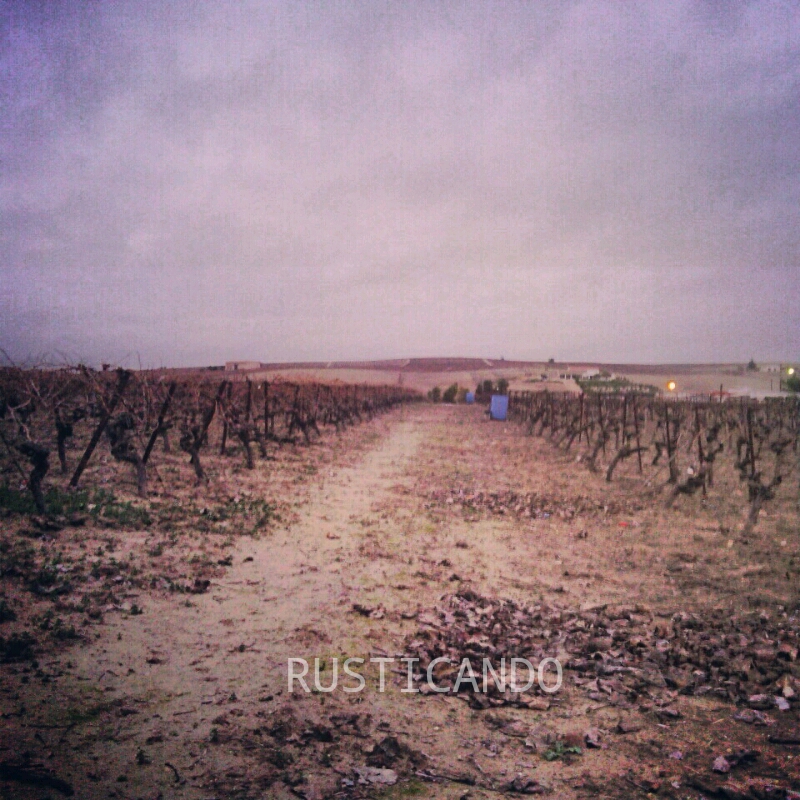 Dice Curro Carreja que por allí, por donde parece que toca el cielo a la tierra, se dice que hay una ciudad perdida; que de sus habitantes y riquezas habló Salomón en el libro I de los Reyes. Y que los fenicios y los griegos antiguos llenaron sus naves con la riqueza de este pueblo.
De tal riqueza es esta tierra que todos los que llegan se la quieren quedar; solo para mal explotarla.
El pago del fondo dice que se llama de Añina.
Curro Calleja says that over there, where the heavens seems to touch the earth, they say that there is a lost city; that Solomon spoke, in the First Book of Kings, of its inhabitants and its wealth …and that the Phoenicians and the ancient Greeks filled their ships with these people´s wealth.
This land is of such wealth that all that come want to keep it; but, in the end, it is only to utilize it poorly.
He says that the “pago,” there in the back, is called Añina.
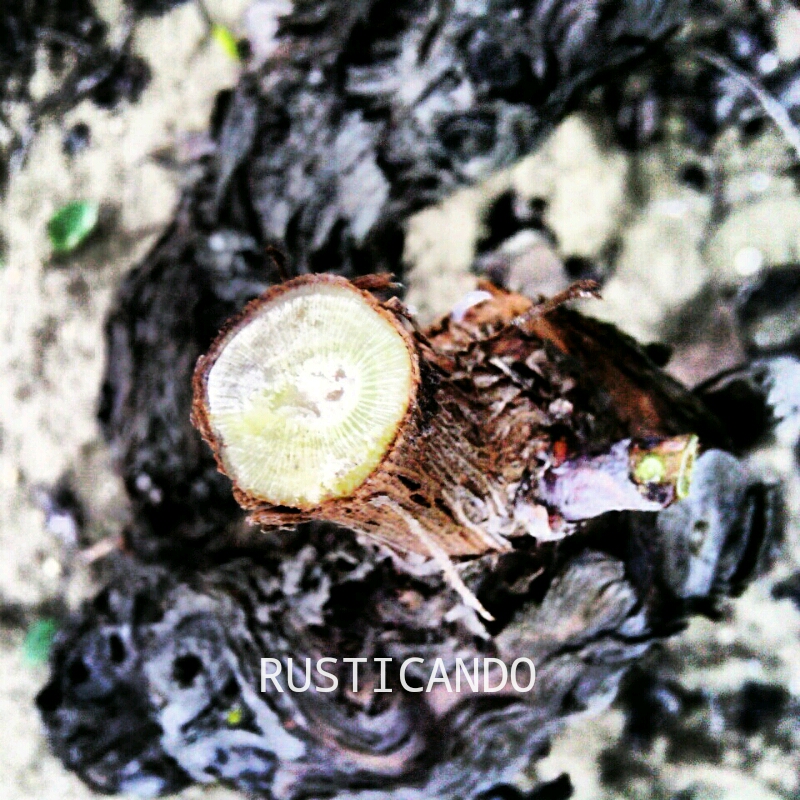 Dice Curro que esto es un corte agulemao. Nosotros así lo contamos.
Curro says that this an agulemao cut. We just tell the story the way it is told to us.

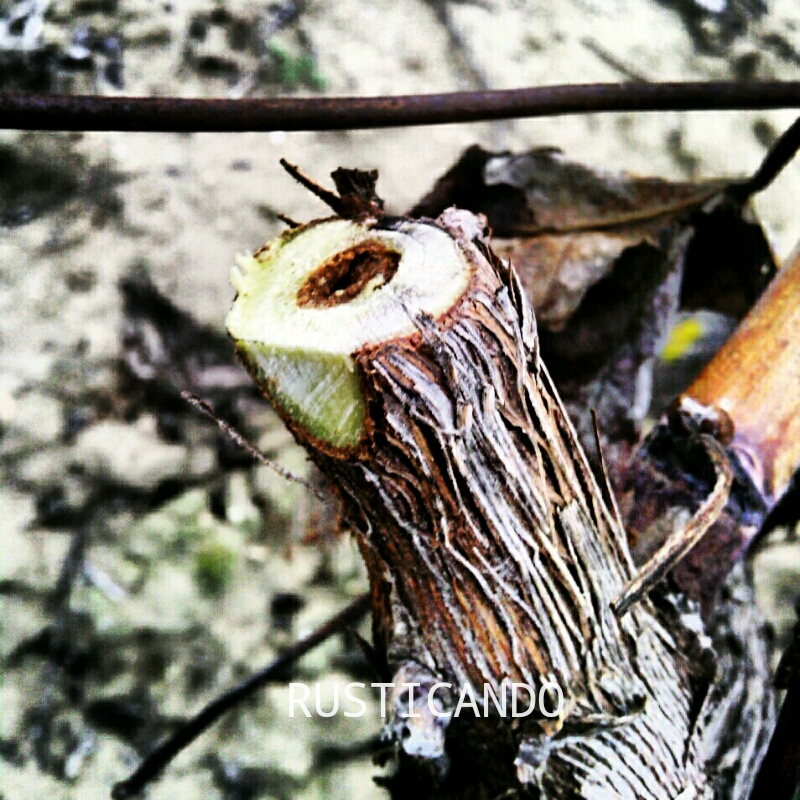
Cuenta Curro Carreja que este corte es el del pulgar, el último que tiene la cepa. Dice que el raspe que vemos en él, es el lugar donde estaba la yema contraria al verde, y que por tanto también nos indica que la sabia más limpia recorre el lado contraria a dicho raspe. El raspe es para quitar la yema, para que no brote, pues es una yema contraria al verde el cual seguimos.
Dice Curro que su amigo Morales, que es una especialista, ha dejado escrito que el Raspe del Pulgar es el pequeño corte inclinado que da el poaó en el pulgar para indicar que al lado contrario ha dejado la yema de verde .
Así lo contamos, sin acabar de entenderlo.
Quiere añadir Curro que si miramos bien en el raspe podemos ver ya el color del vino fino. No cree Curro a los expertos en la opinión que dan sobre los sabores y los colores que dicen encontrar; el sabe que el vino es el hijo de la cepa y por tanto en el color y sabor es idéntico a su madre.
Curro Carreja tells us that this cut is the pulgar (thumb), and it is the last one that the vine has. He says that the raspe (scraping) thatwe see on it, is the place where the bud, opposite to the green part, was located and that, therefore, it also shows us that the cleanest sap flows through the opposite side of that raspe. The raspe is made in order to eliminate the bud, so it doesn´t flourish, since it is a bud opposite the green which we are following.
Curro says that his fríend Morales, who is a specialist, has written that the Raspe from the Pulgar is the small slanted cut that the pruner does at the pulgar to indicate that he has left the bud of green on the contrary side.
We just tell you this, without fully understanding it.
Curro wants to add that if we observe the raspe closely we can already observe the color of the fino wine. Curro doesn´t believe the experts when they give their opinion on the taste and colors that they say that they find; he knows that the wine is the son of the vine and that, because of that, it is identical in color and taste to its mother.
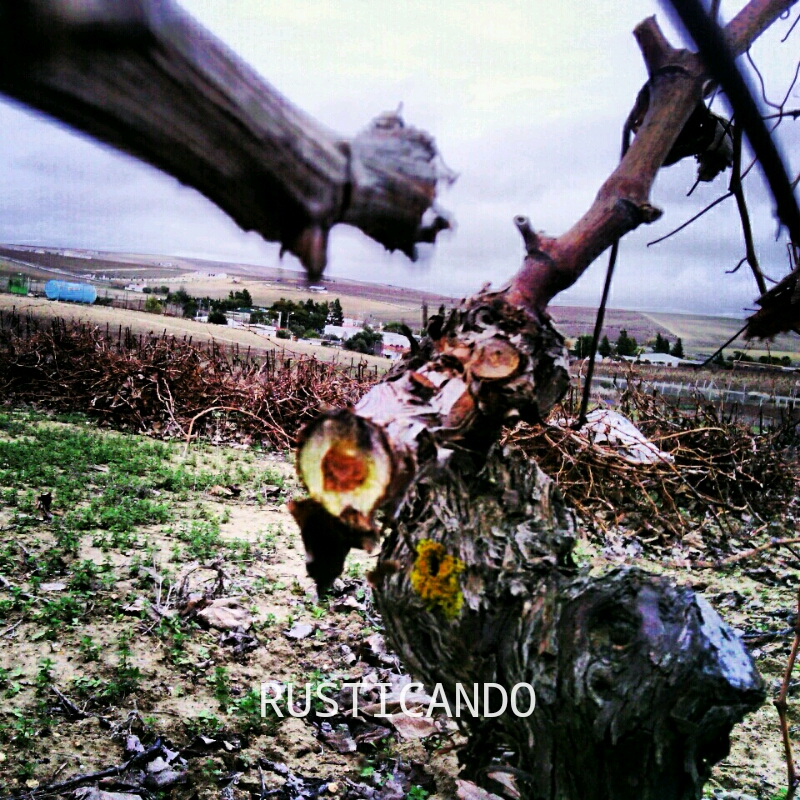 Todavía temblando por el corte.
Still shaking because of the cut.
 RUSTICANDO